You don't need a rack, a machine or a membership to train well. You need a floor, a bit of space and movements that ask a lot of your body at once. The ten exercises below cover the main patterns — squat, hinge, push, lunge, brace and locomotion — so a short session using them touches almost everything.
Work through them as a checklist rather than a race. Quality of movement is what makes bodyweight training worth doing.
1. Squats
Trains: quads, glutes, adductors, trunk.
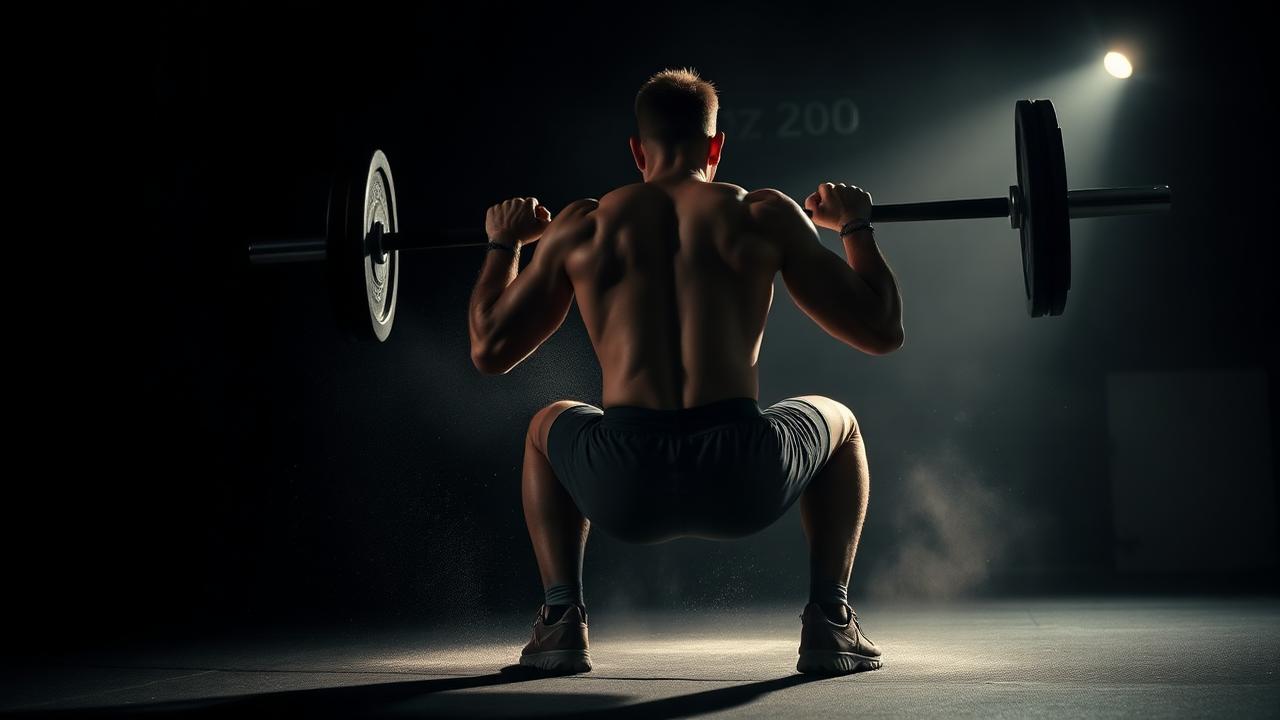
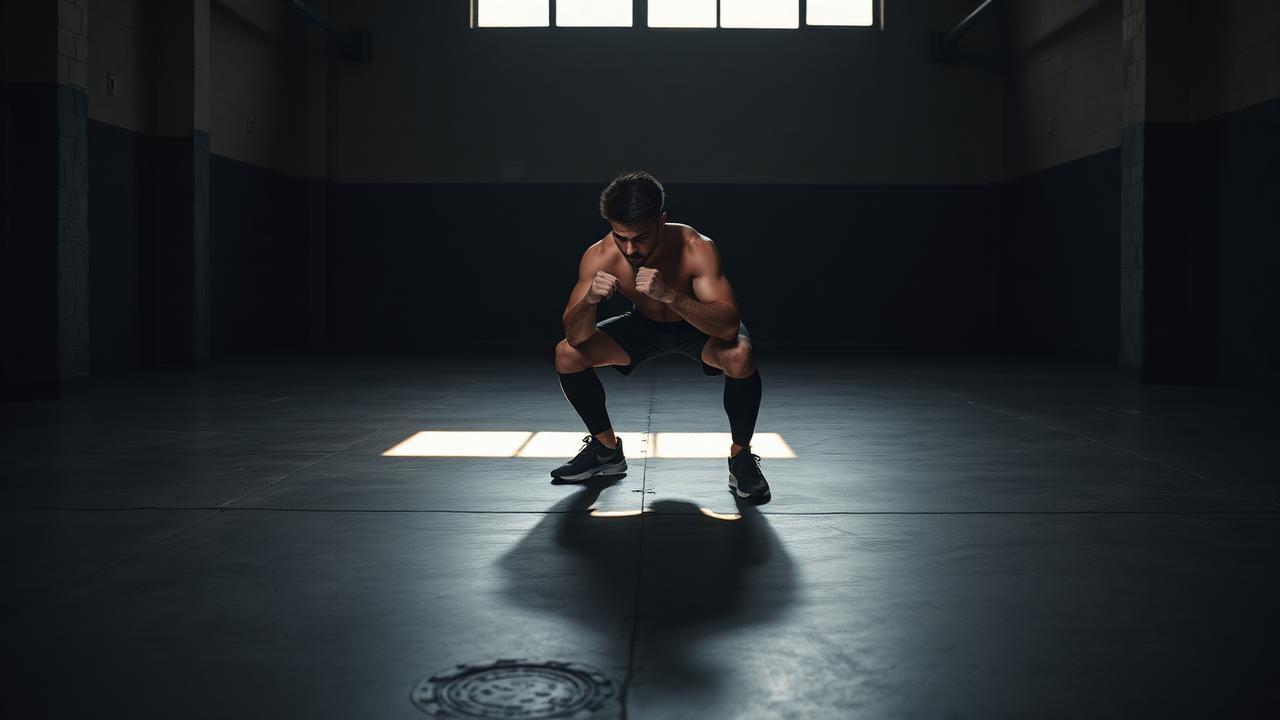
Stand with feet roughly shoulder-width, toes turned out slightly. Take a breath, brace your midsection, then sit down and back, keeping your chest tall and your heels planted. Descend as far as you can without your lower back rounding, then drive up through the whole foot.
Beginner modification: squat to a box or chair. Touch, stand, repeat. It teaches depth without the fear of falling backwards.
2. Push-Ups
Trains: chest, shoulders, triceps, trunk.
Hands slightly wider than your shoulders, body in one straight line from ears to heels. Lower until your chest is a fist's height from the floor with your elbows tracking at about 45 degrees, then press away.
Beginner modification: put your hands on a bench, worktop or wall. The higher the surface, the easier the push. Progress by lowering the surface over time rather than dropping to your knees forever.
3. Lunges
Trains: single-leg strength, balance, hip control.
Step forward into a lunge, lower the back knee towards the floor, keep your torso upright, then push back through the front foot. Alternate legs.
Beginner modification: hold a wall or door frame for balance, or shorten the range so the back knee only travels halfway down.
4. Glute Bridges
Trains: glutes, hamstrings, posterior chain.
Lie on your back, knees bent, feet flat and close to your hips. Press through your heels and lift your hips until your body forms a straight line from knees to shoulders. Squeeze at the top for a second, lower with control.
Beginner modification: none needed — this is already the entry point. To make it harder, elevate one foot or do it single-leg.
5. Planks
Trains: anti-extension core strength, shoulders.
Forearms under your shoulders, feet hip-width, hips level. Rather than "holding on", actively push the floor away, squeeze your glutes and tuck the ribs down. A hard 20 seconds beats a sagging two minutes.
Beginner modification: forearms on a bench or sofa. Same shape, less load.
6. Mountain Climbers
Trains: core, hip flexors, conditioning.
From a push-up position, drive one knee towards your chest and switch, keeping your hips low and your shoulders stacked over your hands. Speed comes later — control the hips first.
Beginner modification: slow, alternating knee drives with hands elevated.
7. Burpees
Trains: everything, plus breathing capacity.
Squat down, place hands on the floor, step or jump the feet back, lower your chest, push up, bring the feet back in and stand. Add a jump only if it feels smooth.
Beginner modification: step back and step in, no push-up, no jump. It's still a genuinely hard movement.
8. Step-Ups
Trains: legs one side at a time, balance, knee control.
Use a stair, bench or sturdy box around knee height. Place the whole foot on the step, drive through it and stand tall, then lower slowly under control instead of dropping.
Beginner modification: use a lower step. Height is your intensity dial.
9. Inchworms
Trains: hamstrings, shoulders, trunk — a good warm-up movement.
From standing, hinge and walk your hands out to a plank, pause, then walk the hands back and stand. Keep the legs as straight as your hamstrings allow.
Beginner modification: bend the knees generously on the way down.
10. Bear Crawls
Trains: coordination, shoulders, deep core.
On hands and toes with knees hovering an inch off the floor, move opposite hand and opposite foot together. Keep the hips low and steady — if they're swinging, slow down.
Beginner modification: hold the bear position still for 15 seconds before adding travel.
How to Put Them Together
Pick five or six, do 3 rounds of 8–12 reps each (or 20–30 seconds for planks and crawls) and rest as needed. Three sessions a week is plenty when you're building the habit — see our guide on how often to work out for more detail.
Quick Summary
- These ten movements cover every major pattern with almost no equipment.
- Scale by changing height, range or speed — not by rushing reps.
- Consistency across weeks matters more than intensity in any single session.
Training at home? Kit that moves with you helps. Our men's and women's ranges are built for exactly this kind of session.
Fitness information on this site is provided for general educational purposes and is not a substitute for professional medical or fitness advice.