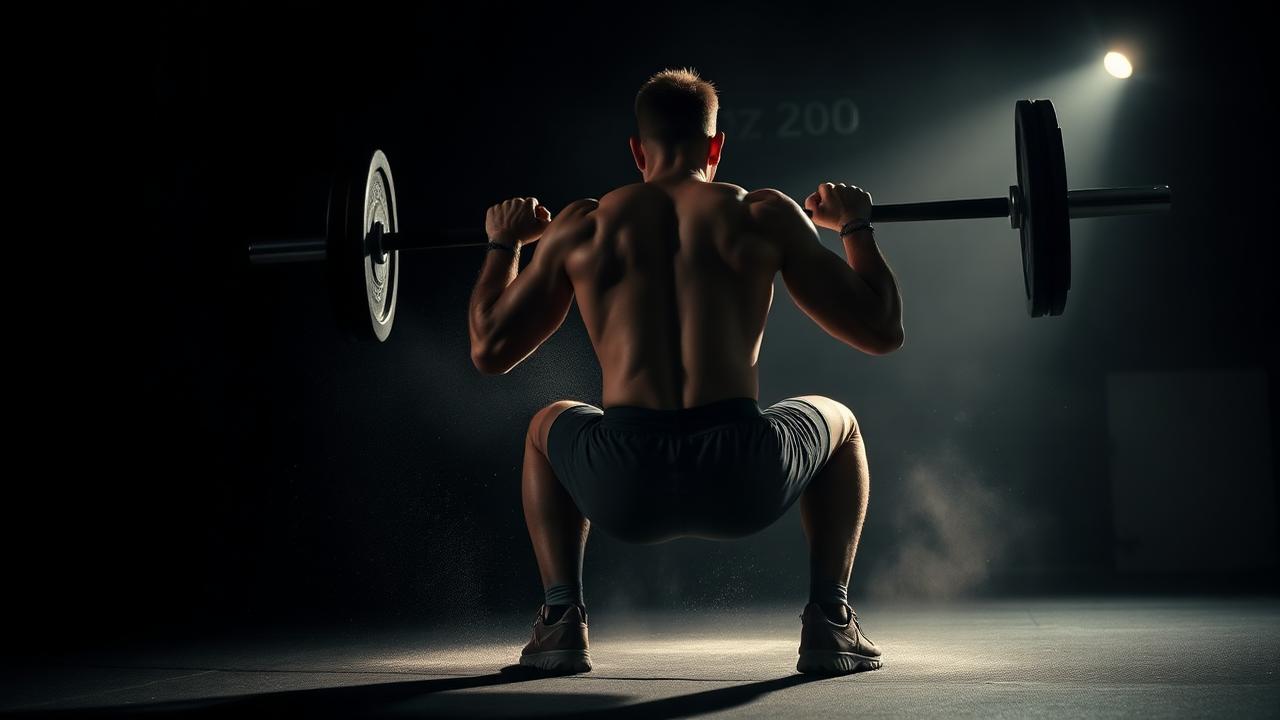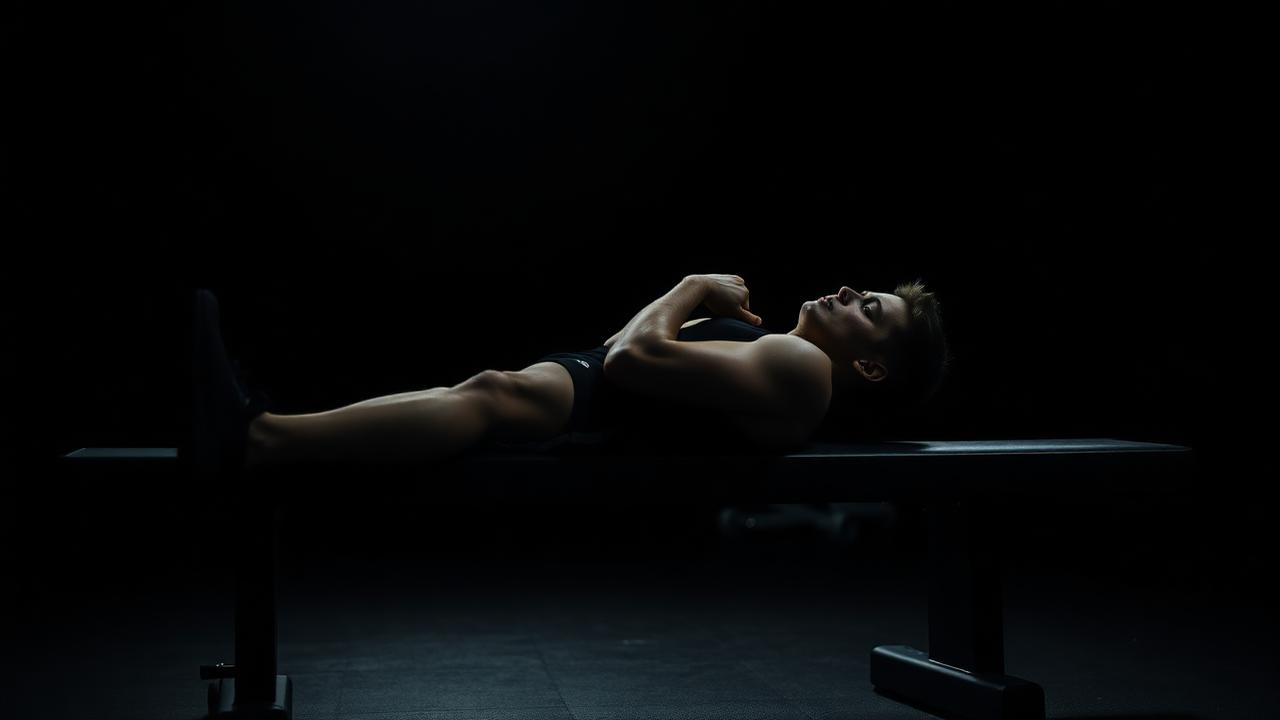
Kit won't add a rep to your squat. But bad kit will absolutely cost you one — a waistband you keep pulling up, a top that sticks to you halfway through, shorts that ride on every lunge. Good training clothing is the stuff you stop noticing.
Here's what actually matters.
Breathable Fabrics
Air movement is what keeps you comfortable once your temperature climbs. Knitted technical fabrics, mesh panels and lighter-weight yarns all let heat escape. Heavy cotton does the opposite: it absorbs sweat, holds it and gets heavier as the session goes.
Cotton is fine for a low-intensity session or the walk home. For anything that makes you sweat properly, technical fabric wins.
Moisture Management
"Moisture-wicking" means the fabric pulls sweat away from the skin to the outer surface, where it evaporates faster. Practically, that shows up as a top that dries between sets instead of clinging, and leggings that don't feel cold when you stop moving.
Look for fabrics that recover their shape when stretched — that's usually a sign of a decent elastane blend rather than a purely synthetic shell.
Fit: Three Simple Rules
- Nothing that restricts your working range. If it stops you reaching depth or locking out overhead, it's the wrong cut.
- Nothing that has to be adjusted mid-set. Waistbands and straps should stay where you put them.
- Match the fit to the movement. Closer fits suit lifting and floor work; looser fits suit running and conditioning.
Stretch and Recovery
Four-way stretch matters most on anything that covers the hips and knees — leggings, joggers, lifting shorts. Equally important is recovery: the fabric returning to shape after each rep rather than bagging out at the knee by week three.
Support
Sports bras should be matched to impact level: higher support for running and plyometrics, lighter compression for lifting, mobility and yoga. Straps shouldn't dig, the band should do most of the work, and you should be able to breathe deeply in it.
For men, supportive liners in shorts or fitted base layers under looser shorts solve the same problem for running.
Layering
Train warm, arrive warm, leave warm.
- Base: technical tee or tank against the skin.
- Mid: a hoodie or long sleeve for warm-ups and the first sets.
- Outer: something windproof for the journey, not the session.
Peel layers as you heat up rather than starting cold and rushing your warm-up.
Choosing by Workout Type
| Session | What works |
|---|---|
| Heavy lifting | Fitted top, flat-seam shorts or leggings, flat-soled shoes |
| Conditioning / HIIT | Lightweight breathable top, high-support bra, shorts with liner |
| Running | Moisture-wicking layers, minimal seams, reflective detail at night |
| Mobility / recovery | Soft stretch fabrics, unrestricted waistbands |
Quick Summary
- Prioritise breathable technical fabric over cotton for sweaty sessions.
- Fit should never restrict range or need adjusting mid-set.
- Match support and stretch to the movement you're doing.
- Layer to stay warm through your warm-up, not to look warm.
If you're rebuilding your gym bag, the women's and men's ranges are cut for training first, and the newest fabric work lands in New Drops.
Fitness information on this site is provided for general educational purposes and is not a substitute for professional medical or fitness advice.